Blankets and quilts in this category explore a range of textile layers designed to regulate temperature, provide insulation, and add tactile comfort for restful sleep. Key characteristics include fabric composition, weight, and warmth ratings, as well as stitching patterns that affect durability and drape. Understanding these elements helps identify how a blanket or quilt aligns with different sleep environments and seasonal needs.
Texture, weave, and fiber choice influence softness, breathability, and care requirements. High-thread-count cottons, luxurious blends, and microfiber options each offer distinct advantages in feel and moisture management. By examining fiber properties, you can anticipate performance in terms of warmth, hypoallergenic potential, and long-term resilience.
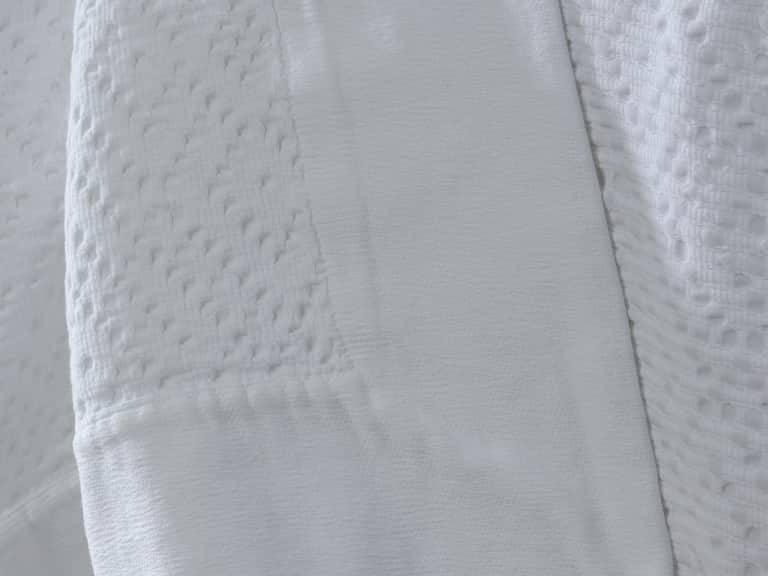
Tex Bedcover stands as a notable example within this category, combining premium materials with thoughtful construction. Features may include breathable outer fabrics, quilted patterns for even heat distribution, and reinforced edges for longevity. Functional benefits include stable warmth, reduced night-time heat fluctuations, and a refined aesthetic that complements bedding ensembles.
Memory foam pillows and sheets often intersect with blanket and quilt choices by enhancing overall sleep ergonomics and temperature balance. While primarily serving separate roles, the integration of these items can influence perceived loft, support, and thermal comfort throughout the night, contributing to a coherent bedding system.
In educational terms, selecting the right blanket or quilt requires weighing warmth, weight, fabric care, and compatibility with existing bedding such as duvet covers and pillow arrangements. Recognizing the nuanced differences between Tex Bedcover variants and other fabrics supports informed decisions for consistent comfort and long-term satisfaction.
 Bedding